


Hey there! As a supplier of LCD microscopes, I often get asked about the sensitivity of the camera in an LCD microscope. So, I thought I'd take a moment to break it down for you.
First off, let's talk about what camera sensitivity actually means. In simple terms, camera sensitivity refers to how well the camera can capture light. A more sensitive camera can pick up details in low - light conditions better than a less sensitive one. In the context of an LCD microscope, this is super important because you might be looking at specimens that aren't well - lit or that require a very fine level of detail.
Why Camera Sensitivity Matters in LCD Microscopes
When you're using an LCD microscope, whether it's for educational purposes, scientific research, or industrial inspection, you want to see the smallest details clearly. A highly sensitive camera can make a huge difference. For example, in a biological lab, you might be looking at tiny cells or microorganisms. These specimens often need to be viewed under low - light conditions to avoid damaging them or altering their natural state. A sensitive camera can capture these delicate details without the need for excessive lighting, which could potentially distort the image.

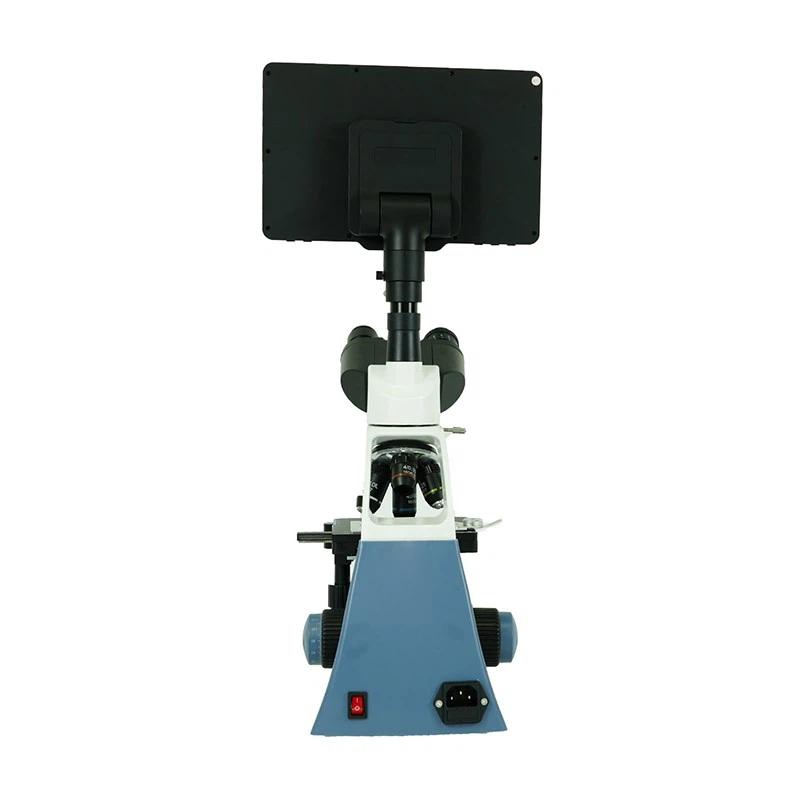
In industrial settings, like quality control in manufacturing, you might be inspecting small components or flaws on a surface. A sensitive camera can help you spot even the tiniest imperfections that could otherwise go unnoticed.
How Camera Sensitivity is Measured
Camera sensitivity is usually measured in ISO values. ISO stands for the International Organization for Standardization, which has set a standard for measuring the sensitivity of camera sensors. The higher the ISO value, the more sensitive the camera is to light.
For example, a camera with an ISO of 100 is less sensitive than one with an ISO of 800. But here's the catch: as you increase the ISO value, you also increase the amount of digital noise in the image. Digital noise looks like grainy or speckled spots in the picture, and it can reduce the overall quality of the image. So, it's a bit of a balancing act. You want a camera with a high enough ISO to capture details in low - light, but not so high that the noise becomes a problem.
Our LCD Microscopes and Camera Sensitivity
At our company, we understand the importance of camera sensitivity in LCD microscopes. That's why we offer a range of products with different camera sensitivities to meet your specific needs.
Take our 7 Inch LCD Intelligent Digital Microscope. This microscope comes with a high - quality camera that has a good balance of sensitivity and low noise. It can handle a wide range of ISO values, so you can adjust it according to the lighting conditions of your specimen. Whether you're in a well - lit classroom or a dimly lit lab, this microscope will give you clear and detailed images.
Our Wifi Digital Microscope is another great option. It allows you to connect to your device wirelessly, which is really convenient for sharing images and data. The camera in this microscope also has a decent ISO range, so you can capture sharp images even in less - than - ideal lighting.
If you're looking for a microscope for a professional lab, our Digital Microscope for Lab is the way to go. It's equipped with a high - sensitivity camera that can capture the most minute details. This microscope is designed for high - end research and analysis, where every bit of information matters.
Factors Affecting Camera Sensitivity in LCD Microscopes
There are a few factors that can affect the camera sensitivity in an LCD microscope. One of the main factors is the size of the camera sensor. Generally, larger sensors tend to be more sensitive to light because they have more surface area to capture photons.
The quality of the lens also plays a role. A high - quality lens can focus light more effectively onto the camera sensor, which can enhance the overall sensitivity of the camera. Additionally, the processing software in the microscope can affect how the camera captures and processes images. Good software can help reduce noise and improve the clarity of the image, even at higher ISO values.
Tips for Getting the Best Results
If you want to get the best results from your LCD microscope's camera, here are a few tips:
- Adjust the ISO carefully: Start with a low ISO value and gradually increase it if you need more light. Keep an eye on the image quality and stop increasing the ISO when you start to see too much noise.
- Use proper lighting: While a sensitive camera can handle low - light conditions, using some form of proper lighting can still improve the image quality. You can use diffused lighting to avoid harsh shadows and reflections.
- Keep the lens clean: A dirty lens can reduce the amount of light reaching the camera sensor, which can affect the sensitivity. Make sure to clean the lens regularly with a soft, lint - free cloth.
Conclusion
In conclusion, the sensitivity of the camera in an LCD microscope is a crucial factor that can greatly impact the quality of the images you capture. Whether you're a student, a scientist, or an industrial inspector, having a microscope with the right camera sensitivity can make your work much easier and more accurate.
We're here to help you find the perfect LCD microscope for your needs. If you're interested in learning more about our products or have any questions about camera sensitivity, don't hesitate to reach out. We're always happy to have a chat and help you make the best choice for your requirements. Let's start a conversation about how our LCD microscopes can enhance your work!
References
- “Understanding ISO in Digital Photography.” Photography Life.
- “Camera Sensor Basics.” Cambridge in Colour.


