


Parfocality is a crucial feature in the realm of optical instruments, especially when it comes to binocular stereo microscopes. As a leading supplier of binocular stereo microscopes, we understand the significance of this characteristic and its impact on the user experience. In this blog post, we will delve into what parfocality is, why it matters, and how it relates to our range of high - quality binocular stereo microscopes.
What is Parfocality?
Parfocality refers to the ability of an optical instrument, such as a binocular stereo microscope, to maintain focus when changing the magnification. In other words, when you switch from a lower magnification to a higher magnification (or vice versa), the specimen remains approximately in focus. This is a highly desirable feature because it saves time and effort for the user. Without parfocality, every time you change the magnification, you would have to readjust the focus, which can be not only time - consuming but also frustrating, especially when you are in the middle of a detailed observation or analysis.
Let's take a closer look at how parfocality works. When a binocular stereo microscope is parfocal, the objective lenses are designed in such a way that their focal points are very close to each other. This means that when you rotate the nosepiece to change the objective lens and thus the magnification, the image remains sharp with only minor adjustments needed. For example, if you are initially observing a specimen at 10X magnification and then switch to 40X magnification, a parfocal microscope will keep the specimen mostly in focus. You may need to make a small tweak with the fine - focus knob, but the overall image will not go completely out of focus.
Why is Parfocality Important in Binocular Stereo Microscopes?
There are several reasons why parfocality is so important in binocular stereo microscopes, and these benefits are particularly relevant for our customers in various fields.
Time - Saving
As mentioned earlier, parfocality saves a significant amount of time. In a research or industrial setting, time is of the essence. Scientists, technicians, and quality control experts often need to quickly switch between different magnifications to examine different aspects of a specimen. With a parfocal microscope, they can do this without having to waste time constantly refocusing. This allows for a more efficient workflow and increases productivity. For instance, in a geology laboratory, researchers may need to examine the texture of a rock sample at low magnification and then zoom in to study the crystal structure at high magnification. A parfocal binocular stereo microscope enables them to make this transition smoothly and quickly. Check out our Best Stereo Microscope for Geology to see how our products can enhance your geological research.

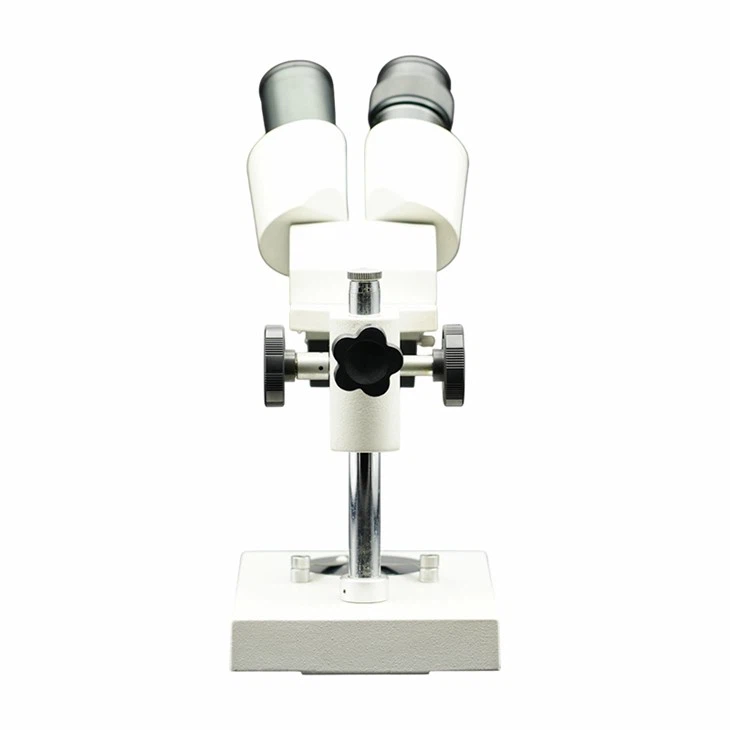
Precision and Accuracy
Parfocality also contributes to the precision and accuracy of observations. When you can change magnifications without losing focus, you can more accurately compare different features of a specimen. This is crucial in fields such as biology, where small details can make a big difference in the identification of a species or the understanding of a biological process. In addition, in quality control applications, being able to quickly and accurately assess the quality of a product at different magnifications is essential. A parfocal microscope helps ensure that no important details are missed due to the inconvenience of refocusing.
Ease of Use
For novice users, a parfocal microscope is much easier to operate. They don't have to worry about the complex process of refocusing every time they change the magnification. This makes the learning curve shorter and allows users to focus on the actual observation rather than struggling with the instrument. Even experienced users appreciate the simplicity and convenience that parfocality offers, as it reduces the physical and mental strain associated with constantly adjusting the focus.
How Our Binocular Stereo Microscopes Achieve Parfocality
At our company, we take great pride in the design and manufacturing of our binocular stereo microscopes to ensure excellent parfocality. Our engineering team uses advanced optical design techniques and high - quality materials to create objective lenses that are precisely aligned and have consistent focal lengths.
We start by carefully selecting the optical glass for the objective lenses. The quality of the glass has a direct impact on the optical performance of the microscope, including parfocality. We use high - grade optical glass that has low dispersion and high refractive index, which helps to minimize aberrations and ensure sharp images at all magnifications.
During the manufacturing process, our technicians use state - of - the - art machinery and precision assembly techniques. Each objective lens is carefully ground and polished to meet strict quality standards. The nosepiece, which holds the objective lenses, is also designed to ensure smooth rotation and accurate alignment. This allows for seamless switching between different magnifications while maintaining parfocality.
Parfocality and Magnification Range
The parfocality of a binocular stereo microscope is closely related to its magnification range. Our microscopes are available in a wide range of magnifications, from low - power to high - power options. When it comes to parfocality, it's important to note that while our microscopes are designed to be parfocal across the entire magnification range, there may be some minor differences in the degree of parfocality between different models and magnification steps.
For example, our Stereo Microscope 40X is designed to provide excellent parfocality when used in combination with other objective lenses in the same microscope. The closer the magnifications are to each other, the more likely they are to be perfectly parfocal. However, even when switching between a large difference in magnifications, such as from 10X to 40X, our microscopes still maintain a high level of parfocality.
Eyepiece Magnification and Parfocality
In addition to objective lens magnification, the eyepiece magnification also plays a role in the overall parfocality of the microscope. Our binocular stereo microscopes offer a variety of eyepiece magnification options. You can learn more about Stereo Microscope Eyepiece Magnification on our website.
The combination of the objective lens and the eyepiece determines the total magnification of the microscope. When selecting an eyepiece, it's important to consider how it will interact with the objective lenses in terms of parfocality. Our microscopes are designed to work well with different eyepiece magnifications, and we provide clear instructions on how to achieve the best parfocal performance when using different combinations.
Conclusion
In conclusion, parfocality is a vital feature of binocular stereo microscopes that offers numerous benefits in terms of time - saving, precision, and ease of use. As a leading supplier of binocular stereo microscopes, we are committed to providing our customers with high - quality instruments that demonstrate excellent parfocality. Our microscopes are designed and manufactured using the latest technology and the finest materials to ensure that you can make the most of your observations, whether you are a professional researcher, a student, or an enthusiast.
If you are interested in learning more about our binocular stereo microscopes or have any questions about parfocality or other features, please don't hesitate to contact us. We would be delighted to discuss your specific needs and help you find the perfect microscope for your application. Our team of experts is always on hand to provide you with the information and support you need to make an informed purchasing decision.
References
- Hecht, E. (2002). Optics (4th ed.). Addison - Wesley.
- Murphy, D. B. (2001). Fundamentals of Light Microscopy and Electronic Imaging. Wiley - Liss.


