


Hey there! As a supplier of the Best Kids Microscope, I've seen firsthand how these nifty little tools can spark a child's curiosity about the microscopic world. But here's the thing: just like any other cool gadget, proper storage is key to keeping your kids' microscope in tip - top shape for those exciting exploration sessions. In this blog, I'll share some awesome tips on how to store the best kids microscope.
Why Proper Storage Matters
First off, let's talk about why it's so important to store your kids' microscope correctly. A well - stored microscope lasts longer. Kids can be a bit rough around the edges sometimes, and improper storage can lead to damage. For instance, if the microscope is left out in the open where it can get knocked over, the delicate lenses might crack or the body could get dented.
Also, a clean and well - stored microscope provides better results. Dust and debris can accumulate on the lenses and other parts, which can blur the images your kids see. No one wants a blurry view of those tiny critters or cells, right?
Before You Store
Before you tuck away the Best Kids Microscope, there are a few things you need to do.
Clean the Microscope
Start by giving the microscope a good clean. Use a soft, lint - free cloth to wipe down the body of the microscope. This will remove any fingerprints, dirt, or dust that might have gathered during use.
For the lenses, be extra careful. You don't want to scratch them. Use a lens cleaning solution and a special lens cleaning cloth. Gently wipe the lenses in a circular motion. If there are stubborn smudges, don't press too hard. Instead, let the cleaning solution sit on the smudge for a few seconds and then wipe it away.
Remove Accessories
If your Kids Microscope Set comes with accessories like slides, coverslips, or specimen holders, take them out. Store these accessories separately in a small, labeled container. This way, you can easily find them when your kids are ready for their next adventure.

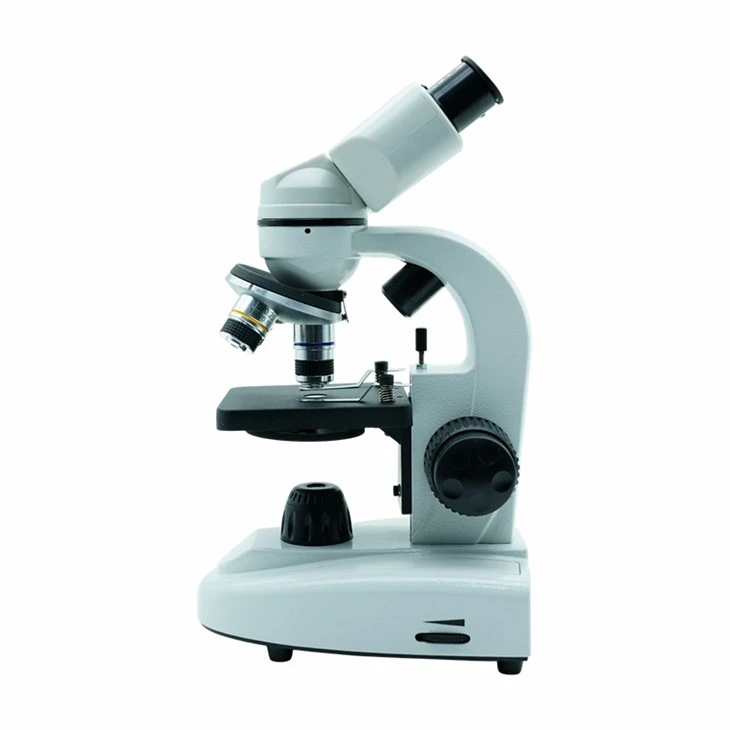
Check for Damage
Take a quick look at the microscope to see if there are any signs of damage. Check the focus knobs to make sure they turn smoothly, and look at the stage to see if it's level. If you notice any problems, it's better to get them fixed before storing the microscope.
Choosing the Right Storage Location
Now that your microscope is clean and ready to be stored, it's time to find the perfect spot.
Dry and Cool Place
Moisture is the enemy of a microscope. It can cause rust on the metal parts and fog up the lenses. So, choose a storage location that is dry. A closet or a cabinet in a room with good air circulation is a great choice. Avoid storing the microscope in a basement or a bathroom, where the humidity levels are usually high.
Also, keep the microscope away from direct sunlight and heat sources. High temperatures can damage the plastic parts and affect the performance of the lenses.
Safe from Bumps and Knocks
Kids' rooms can be a bit chaotic, so it's important to store the microscope in a place where it won't get knocked over. A high shelf or a locked cabinet can be a good option. Make sure the storage area is stable and won't tip over easily.
Storage Containers
There are a few different options when it comes to storage containers for your kids' microscope.
Original Box
If you still have the original box that the microscope came in, it's a great option for storage. The box is designed to fit the microscope perfectly and usually has some padding to protect it. Just make sure to label the box clearly so you can easily find it when needed.
Microscope Case
You can also invest in a good - quality microscope case. There are cases available specifically for kids' microscopes. These cases are usually made of durable materials and have compartments for the microscope and its accessories. They are also easy to carry around if your kids want to take their microscope on a field trip.
Long - Term Storage
If you're planning to store the microscope for a long time, there are a few extra steps you need to take.
Lubrication
Some parts of the microscope, like the focus knobs and the stage movement mechanisms, might need lubrication. Check the manufacturer's instructions to see if lubrication is required. If so, use a light machine oil and apply it sparingly to the moving parts.
Desiccant Packs
To keep the moisture out during long - term storage, place a few desiccant packs in the storage container. These packs absorb moisture and help keep the environment inside the container dry.
Regular Checks
Even when the microscope is in storage, it's a good idea to check on it regularly. Every few months, take it out of storage and give it a quick once - over. Check for any signs of damage, rust, or mold. If you notice any problems, address them right away.
Conclusion
Storing the Microscope for Kids properly is essential for its longevity and performance. By following these tips, you can make sure that your kids' microscope is always ready for those amazing exploration sessions.
If you're interested in purchasing a high - quality kids' microscope or have any questions about storage or maintenance, feel free to reach out. We're here to help you and your kids embark on a wonderful journey of discovery in the microscopic world.
References
- General knowledge about microscope care and storage from years of experience as a Best Kids Microscope supplier.
- Manufacturer's guidelines for kids' microscopes.


