


Hey there! As a supplier of binocular stereo microscopes, I often get asked about how to adjust the inclination of the binocular head of a microscope. It's a pretty common question, and it's actually not that difficult once you know how. So, in this blog post, I'm going to walk you through the process step by step.
First things first, let's talk about why you might want to adjust the inclination of the binocular head. There are a few reasons for this. For one, it can make it more comfortable to use the microscope for long periods of time. If you're hunched over at an awkward angle, it can really start to take a toll on your neck and back. By adjusting the inclination, you can find a more comfortable viewing position.
Another reason to adjust the inclination is to get a better view of your specimen. Depending on what you're looking at, you might need to change the angle of the binocular head to get a clear and focused image. This can be especially important when you're working with three-dimensional specimens.
Now that we've covered why you might want to adjust the inclination, let's get into how to do it. The process can vary a little depending on the make and model of your microscope, but the basic steps are usually the same.
Step 1: Locate the Inclination Adjustment Knob
The first thing you need to do is find the inclination adjustment knob on your microscope. This is usually located on the side of the binocular head. It might be a small knob or a lever, depending on the design of your microscope.
Step 2: Loosen the Knob
Once you've located the inclination adjustment knob, you need to loosen it. This will allow you to move the binocular head up and down. Be careful not to loosen it too much, or the binocular head might fall off.
Step 3: Adjust the Inclination
With the knob loosened, you can now adjust the inclination of the binocular head. You can move it up or down to find the most comfortable viewing position. Take your time and experiment with different angles until you find the one that works best for you.
Step 4: Tighten the Knob
Once you've found the right inclination, you need to tighten the adjustment knob. This will lock the binocular head in place and prevent it from moving. Make sure you tighten it enough so that the binocular head stays in position, but not so much that you damage the knob or the microscope.
Step 5: Check Your View
After you've tightened the knob, take a look through the microscope to make sure you have a clear and focused view. If you need to make any further adjustments, you can repeat steps 2-4 until you're satisfied with the view.
That's basically all there is to it! Adjusting the inclination of the binocular head of a microscope is a simple process that can make a big difference in your viewing experience.
Now, I want to take a moment to talk about some of the binocular stereo microscopes we offer. We have a great selection of high-quality microscopes that are perfect for a variety of applications. One of our popular models is the Stereo Microscope 40X. This microscope offers a magnification of up to 40x, which is great for viewing small specimens in detail.
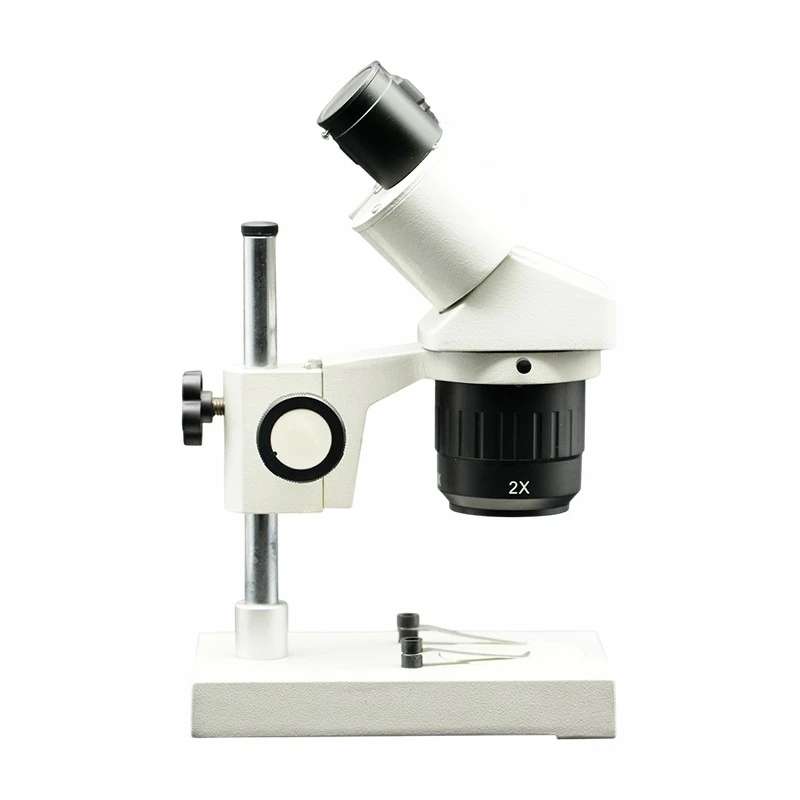

Another great option is the T6X. This microscope is known for its excellent optics and ergonomic design. It's a great choice for anyone who needs to use a microscope for long periods of time.
If you're interested in learning more about the functions of our binocular stereo microscopes, you can check out our Stereo Microscope Function page. This page provides a detailed overview of the features and capabilities of our microscopes.
Whether you're a student, a researcher, or a professional in the field, having a high-quality binocular stereo microscope is essential. And if you ever have any questions about how to use or adjust your microscope, don't hesitate to reach out to us. We're here to help you get the most out of your microscope.
If you're thinking about purchasing a binocular stereo microscope, we'd love to have a chat with you. We can answer all your questions, provide you with more information about our products, and help you find the perfect microscope for your needs. So, don't hesitate to contact us for a procurement discussion.
References
- General knowledge from years of experience in the binocular stereo microscope industry.


